

Unconventional wells have completely rewritten the playbook for artificial lift. These extraction sites target crude oil trapped in dense rock formations and require specialized stimulation technologies like horizontal drilling. With such complex geometries, sucker-rod pumping systems can face severe mechanical stress. Horizontal and S-curve wells experience intense tubing breathing and buckling. That means deploying a reliable tubing anchor is vital to prevent premature wear on the rod string and pump components.
However, horizontal and deviated wellbores introduce physical forces that make standard anchoring tools less effective. In particular, the torque required to set the tool may not be able to reach the anchor because of the twists and turns. Without a tubing anchor solidly in place, the rod pump’s operational lifespan can be drastically reduced. Selecting the right anchor for unconventional wells requires a careful balance of setting mechanics, safety features, and economics.
Unconventional Wells Anchoring Challenges
 ├── Deep True Vertical Depth -> High rotational friction
 ├── High Dogleg Severity -> Restricts mechanical torque transfer
 └── Long Horizontal Lateral -> Difficult to set standard mechanical anchors
The Traditional Options for Deviated Wellbores
When looking to anchor tubing strings inside the bend (the dogleg) of unconventional wells, operators traditionally look at two options: hydraulic tubing anchors and quarter-turn tension anchors.
- Hydraulic Tubing Anchors: These tools utilize internal fluid pressure rather than rotation to engage the slips against the casing. This approach completely bypasses the challenge of having to twist the tubing string in a highly deviated wellbore.
- Quarter-Turn Tension Anchors: These anchors rely on an “auto-J” slot design for setting. Instead of multiple rotations, the rig crew only needs to apply a simple one-quarter turn at the tool to manipulate the J-latch and pull tension to set the tool.

Both designs can be highly effective at overcoming the friction of a curved wellbore. However, they also come with significant operational trade-offs. First, they carry a steep price tag, significantly increasing completion or workover budgets. Second, they typically function purely as anchors, holding the pipe in tension. They usually do not offer the “catcher” capability of a true tubing anchor catcher (TAC). If a tubing string parts above most hydraulic or quarter-turn anchors, there is no safety mechanism to prevent the upper pipe string from falling down the well. Furthermore, their unique setting mechanics sometimes require specialized training for the rig crew, adding operational complexity.
An Alternative: The TechTAC Slimline QuickSet TAC
For operators seeking an affordable, operationally familiar alternative that still provides full “catcher” security, the patented TechTAC® Slimline® QuickSet™ TAC bridges the gap effectively.
Most mechanical TACs requires 6-to-8 complete rotations at the tool to fully expand the slips. In a deep, corkscrewed, or horizontal well, rotational friction against the casing wall can swallow that torque. You might rotate the tubing 10 or more times at the surface and still leave the anchor un-set.
The Slimline QuickSet technology offers a potential solution to this downhole limitation:
| Attribute | Standard Mechanical TAC | Slimline QuickSet TAC |
| Rotations Required at Tool | 6-to-8 turns | 1-to-3 turns |
| Catcher Capability | Yes | Yes |
| Setting Procedure | Standard (Left-Hand Turn) | Standard (Left-Hand Turn) |
| Relative Cost | Baseline | Highly Affordable |
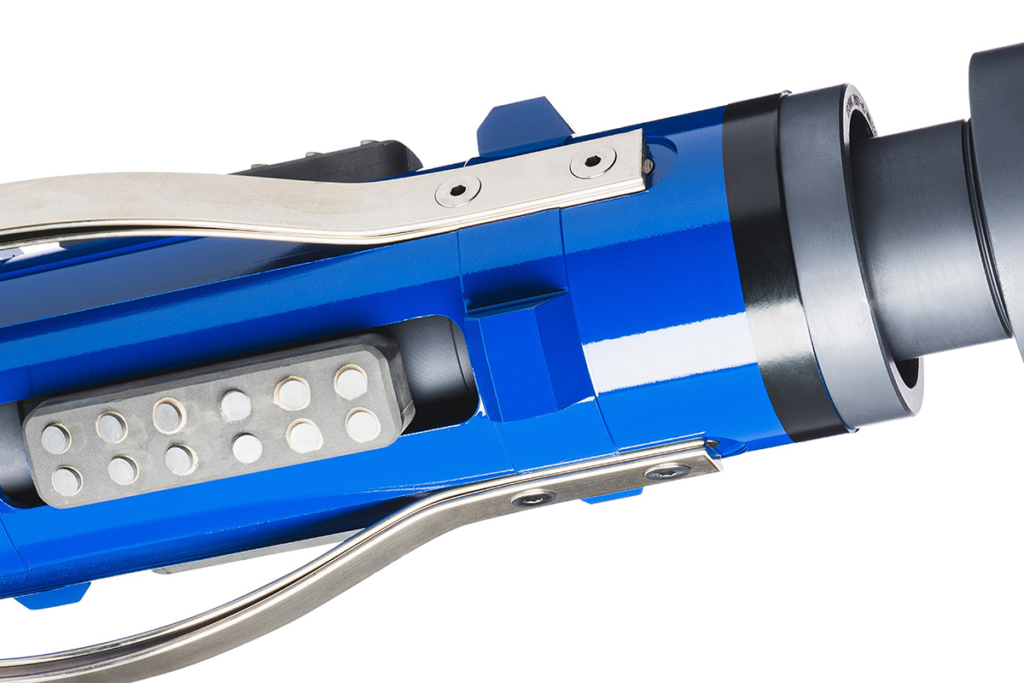
Because the Slimline QuickSet TAC requires only 1-to-3 rotations to fully engage, it radically reduces the amount of torque that must survive the trip through the geometry of unconventional wells. This makes it a reliable choice for deep and deviated wells without needing to step up to a costly hydraulic option.
Placement Considerations in Unconventional Wells
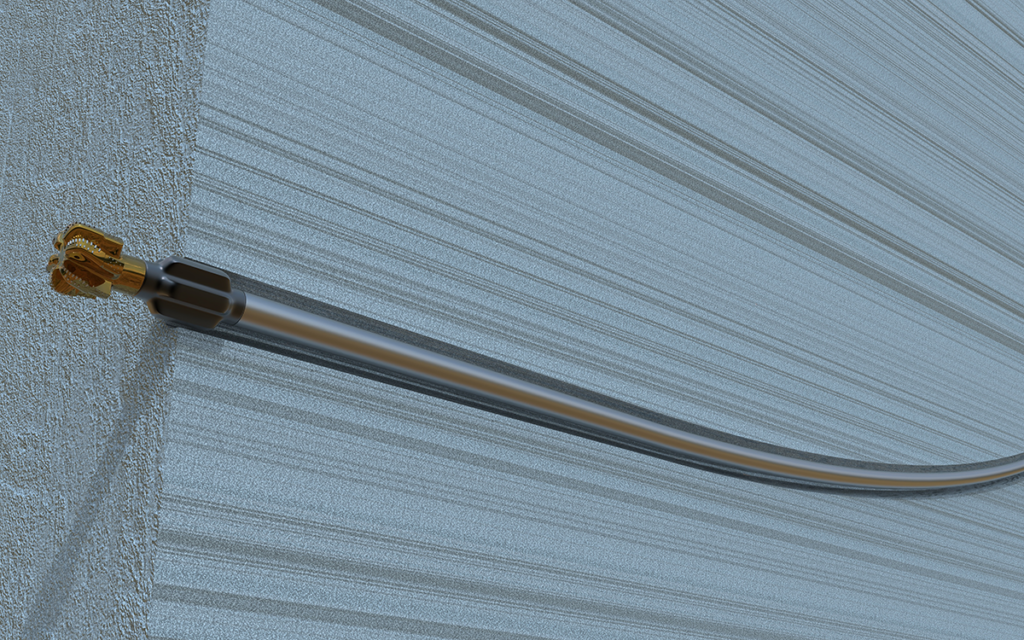
The optimal alignment for most TACs is as deep as possible while still remaining in the vertical section. For unconventional wells, that typically means just above the kickoff point. This placement anchors the maximum length of the tubing string while maintaining proper alignment, helping to avoid introducing bending moments or undue stress on the tool.
Although Slimline QuickSet TACs can – and have – been successfully deployed below the kickoff point, doing so may expose the tool to increased side loading and stress. Engineers should carefully evaluate well geometry, deviation severity, and overall completion design before choosing to set the TAC below the kickoff point in unconventional wells. And as always, operators should confirm the TAC placement relative to the pump, wellbore deviations, and any other downhole equipment prior to running the anchor.
Familiar Mechanics, Enhanced Value
Perhaps the ultimate benefit of using the Slimline QuickSet TAC in unconventional wells is that it doesn’t throw a curveball at your field operators. It sets and releases using the exact same left-hand mechanical rotation procedure as a traditional mechanical anchor. The rig crew requires zero specialized tools or new training.
By combining the safety of a heavy-duty tubing catcher, the increased flow-by area of its patented design, and an ultra-low rotation setting mechanism, the Slimline QuickSet TAC delivers premium performance in unconventional wells at a highly practical price point.
This Slimline QuickSet TAC overview video provides a visual breakdown of how reducing downhole tool rotations can simplify completions in unconventional wells. To learn more, visit the Slimline QuickSet TAC product pages or contact the TechTAC team today.


