

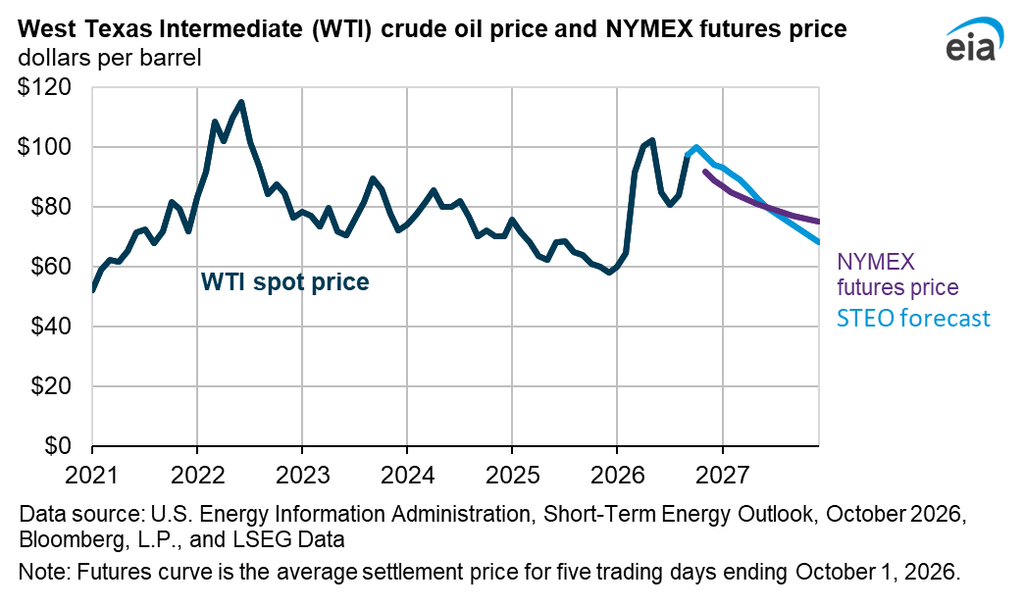
Few operators expected to plan 2027 budgets with crude near $90 a barrel, yet here we are. The U.S. Energy Information Administration’s (EIA) October 2026 Short-Term Energy Outlook puts West Texas Intermediate (WTI) at an average of $88 per barrel for 2026, more than $22 above the 2025 average of about $65. EIA forecasts a fourth-quarter 2026 average of $97 and still expects WTI to average nearly $80 in 2027.
For operators running sucker rod pumps, that makes 2027 a production year. Getting as much crude out of the ground as possible, as safely as possible, is the priority. And one of the most overlooked downhole tools in that equation is the tubing anchor catcher (TAC).
The Cost of Leaving Crude in the Ground
When prices are high, every barrel a well fails to lift is revenue left on the table. Consider a single rod-pumped well that loses 10 barrels per day to gas locking, sediment buildup, or a restricted annulus. At EIA’s fourth-quarter WTI forecast of $97, that shortfall costs roughly $970 a day. That’s about $29,000 a month, from one well. At 2025’s average price, the same lost production cost about $650 a day. Today’s prices make every lost barrel nearly 50% more expensive. Multiply that across a field and the opportunity cost of an underperforming downhole assembly easily reaches six figures a year.

Choose an Anchor Proven to Boost Production
A conventional B2-style tubing anchor often acts as a choke in the well’s annulus. It’s wide OD can restrict gas flow and trap sand and scale on top of the tool. When choosing tubing anchor catchers for 2027, look past the spec sheet and ask for documented production results.
TechTAC’s Slimline® TAC was built to solve the problems caused by standard anchors. Its reduced OD and tapered design deliver up to 245% more flow-by area than a standard B2 anchor, and an independent CFD study found the pressure drop around a B2 anchor is more than double that of the Slimline TAC. The field results speak for themselves:
- 20% more production, 80% less gas locking, and 87% fewer stuck anchors, as reported by customers who switched from standard anchors.
- A 100% production increase: A DJ Basin production superintendent reported three wells switched to the Slimline® Full Bore™ TAC went from roughly 40 to 80 barrels per day.
- 25–30% more gas discharged at surface in 5.5-inch casing wells, per another operator, a sign gas is breaking out up the annulus instead of locking the pump.
- Six years without a pull: An Eagle Ford supplier reported a well once pulled every six months hasn’t been pulled in six years since switching to a Slimline TAC.
At $97 WTI, those extra 40 barrels per day across three DJ Basin wells add more than $11,600 per day in gross revenue.
Don’t Overlook Service and Delivery
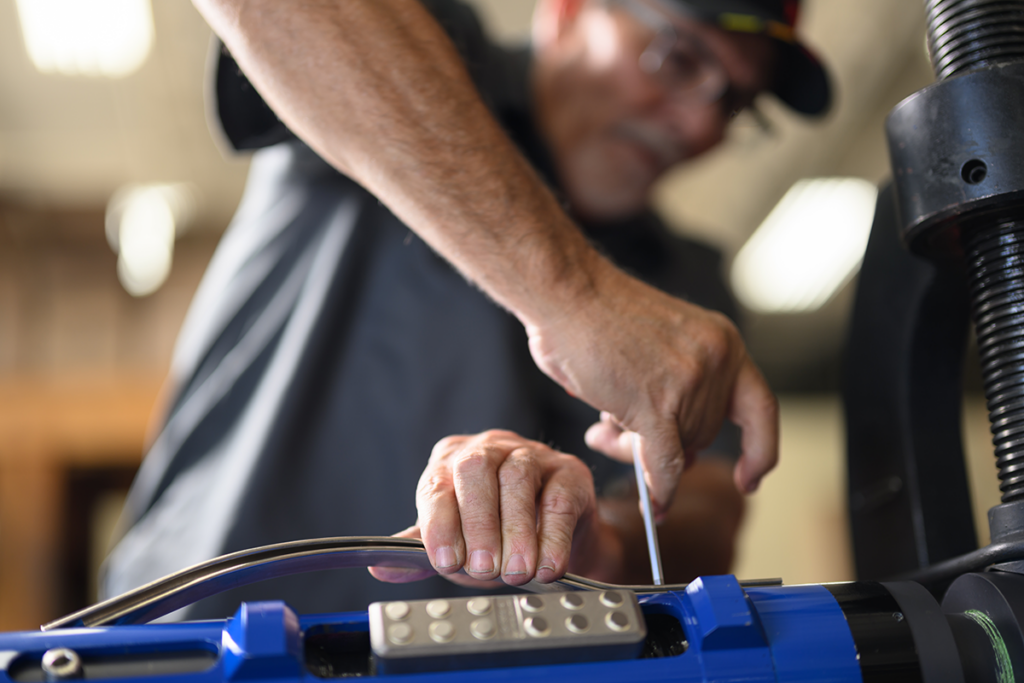
The best anchor in the world doesn’t help a well that’s waiting on parts. With a rig on location and crude near $100, a week-long wait for a downhole tool is a costly delay.
Every TechTAC product is backed by our industry-leading service and delivery. We keep a healthy inventory of American-made anchors on hand. That means most TechTAC anchors are delivered or shipped within 24 hours of receiving an order, whether you need a pallet or a single tool.
The Bottom Line
In 2027, the right tubing anchor catcher is the one with a proven record of adding barrels, backed by a supplier that can get it to your location tomorrow. Request a quote or try our ROI calculator to see what the Slimline TAC could mean for your wells.


