
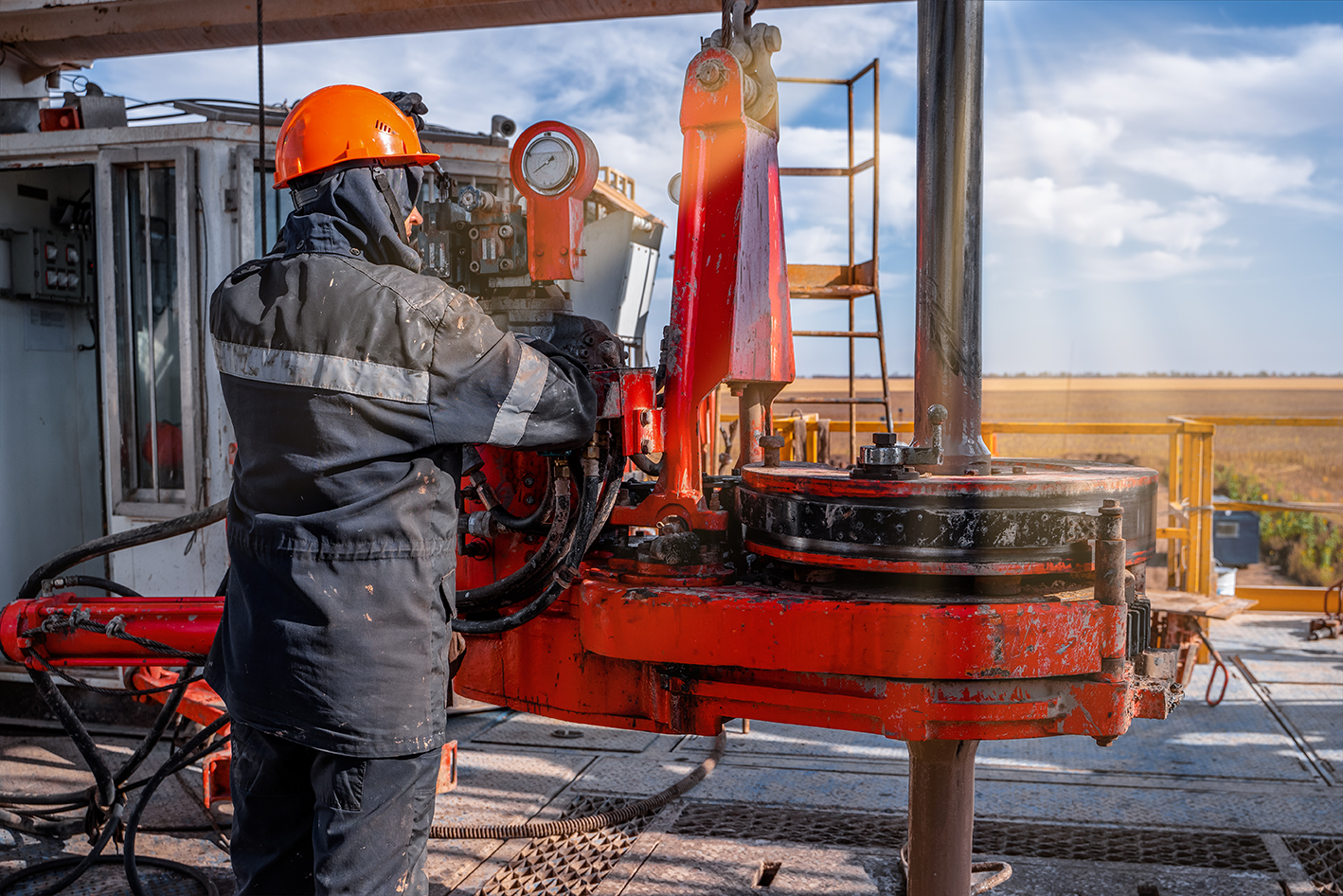
The efficiency of an oil and gas extraction project often hinges on the equipment used thousands of feet below the surface. This guide provides an extensive list of important downhole tools oil and gas professionals rely on to ensure safe, productive, and cost-effective operations.
Understanding Downhole Tools in Oil and Gas
The term “downhole tools” refers to a broad range of specialized equipment used during the drilling, completion, and maintenance of oil and gas wells. These tools are engineered to withstand extreme pressures, high temperatures, and corrosive environments. Choosing the right downhole tools for oil and gas extraction can mean the difference between a high-performing asset and a costly failure.
To better understand the lifecycle of a well, we have categorized these tools into three primary phases: Drilling, Completion, and Well Intervention.
1. Drilling Downhole Tools
Drilling is the initial phase where the wellbore is created. The tools used here are focused on mechanical rock destruction, directional control, and maintaining wellbore integrity.
- Drill Bits: The primary tool that cuts through rock formations. Common types include PDC (Polycrystalline Diamond Compact) bits for high speed and Roller Cone bits for varying rock hardness.
- Mud Motors (Positive Displacement Motors): Located near the bit, these use hydraulic power from drilling fluid to rotate the bit independently of the drill string, essential for directional drilling.
- Drill Collars: Thick-walled, heavy steel pipes used to provide weight on the bit (WOB), helping the bit penetrate the rock more effectively.
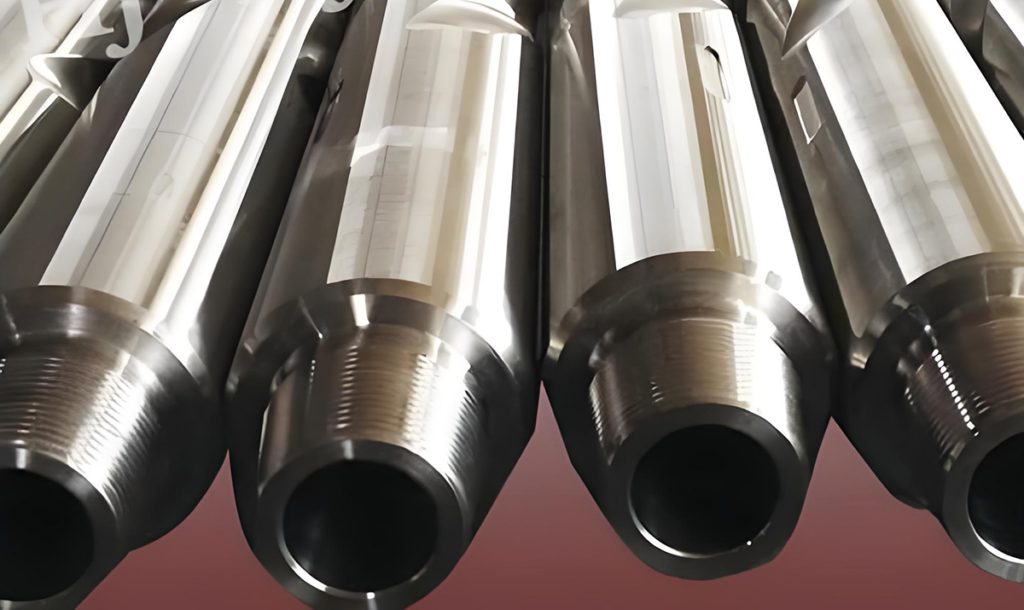
- Reamers and Underreamers: Tools used to enlarge the borehole to a specific diameter, ensuring that casing strings can be run smoothly.
- Measurement-While-Drilling (MWD) Tools: These electronic tools provide real-time data on the trajectory of the well, including inclination and azimuth, allowing drillers to “steer” the well.
- Logging-While-Drilling (LWD) Tools: Similar to MWD, but these focus on the geological properties of the formation, such as porosity, resistivity, and gamma ray readings.
- Stabilizers: Placed in the bottom hole assembly (BHA) to prevent vibration and ensure the drill string remains centralized, which helps maintain the desired well path.
- Jar Tools: Mechanical devices that deliver a high-impact “jerk” to the drill string if it becomes stuck, helping to free the BHA from the formation.
- Heavy Weight Drill Pipe (HWDP): A medium-weight pipe that acts as a transition zone between the stiff drill collars and the flexible drill pipe, reducing fatigue.
- Shock Subs: Used to absorb the vertical vibrations created by the drill bit, protecting the surface equipment and sensitive downhole electronics.
2. Completion Downhole Tools
Once the well is drilled, it must be “completed” to allow for controlled production. Completion downhole tools oil and gas experts use are designed for isolation, flow control, and structural integrity.
- Perforating Guns: Devices used to “shoot” holes through the casing and cement into the reservoir rock, creating a flow path for oil and gas.
- Production Packers: These provide a seal between the outside of the production tubing and the inside of the casing, isolating the reservoir fluids from the rest of the wellbore.
- Tubing Anchor Catchers (TAC): A critical tool in pumping wells. The TAC is used to “anchor” the tubing string to the casing. This prevents tubing movement (breathing and buckling) during the pump cycle, which reduces wear on the rods and tubing and improves pumping efficiency. The “catcher” feature ensures that if the tubing parts, it does not fall to the bottom of the well.

- Subsurface Safety Valves (SSSV): A fail-safe device installed in the upper wellbore. It is designed to close automatically in the event of a surface emergency, preventing the uncontrolled release of hydrocarbons.
- Sliding Sleeves: These allow communication between the tubing and the annulus. They can be opened or closed using wireline tools to manage production from different zones.
- Gas Lift Valves: Installed in side-pocket mandrels, these valves allow high-pressure gas to be injected into the production tubing to lighten the fluid column and encourage flow.
- Sand Screens: Downhole filters placed across the producing formation to prevent sand and other solids from entering the production stream, which could damage surface equipment.
- Landing Nipples: Short sections of heavy-wall pipe with a machined internal profile used to “seat” or lock various flow control devices like plugs or chokes.
- Blast Joints: Thick-walled tubing sections placed opposite perforations to resist the erosive effects of high-velocity fluid entering the wellbore.
- Polished Bore Receptacles (PBR): Allows for the expansion and contraction of the tubing string due to thermal changes without losing the pressure seal.
- Expansion Joints: Telescopic tools that allow the tubing string to change length without moving the packers or anchors.
3. Well Intervention Tools
Over time, wells require maintenance, data collection, or repairs. Intervention downhole tools oil and gas teams utilize are often deployed via wireline, coiled tubing, or snubbing units.
- Bridge Plugs: Tools set in the casing to isolate a lower zone from an upper zone. They can be permanent or retrievable.
- Fishing Tools: A specialized set of tools (overshots, spears, magnets) used to retrieve, or “fish,” objects accidentally dropped or stuck in the wellbore.
- Casing Scrapers: Mechanical tools used to remove scale, cement sheath, or debris from the internal walls of the casing, ensuring a clean surface for packers to set.
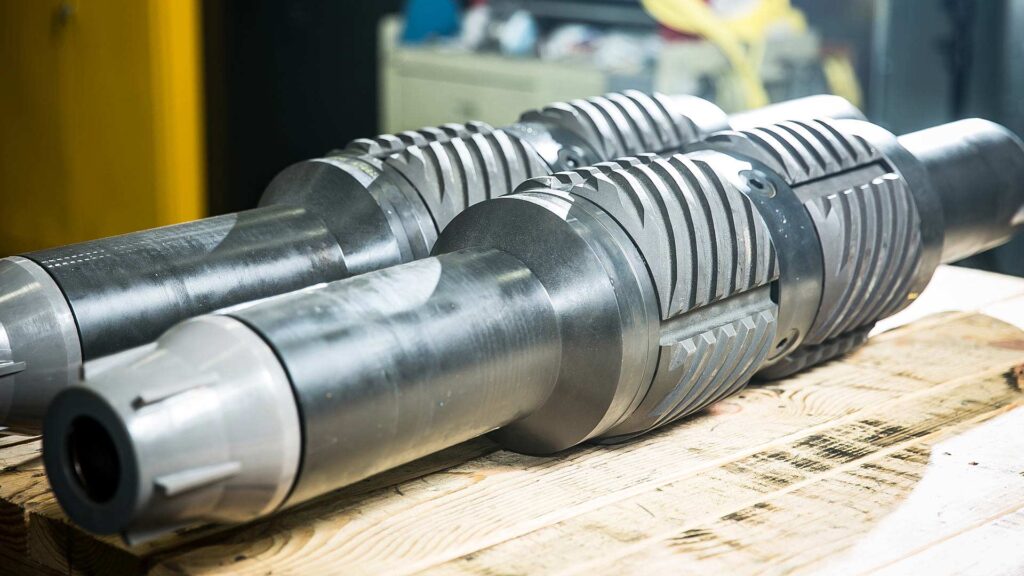
- Kick-off Tools: Used in intervention to deflect a tool string into a lateral or a specific branch of a multilateral well.
- Pressure and Temperature Gauges: Highly sensitive instruments lowered into the well to provide a snapshot of the reservoir’s health and performance.
- Acidizing/Fracturing Tools: Tools like “straddle packers” used to isolate specific zones for chemical or mechanical stimulation to improve flow rates.
- Bailers: Used to remove sand, debris, or fluid samples from the bottom of the wellbore.
- Wireline Jars: Similar to drilling jars but scaled down for wireline operations to free stuck tools.
- Impression Blocks: A lead-faced tool used to get an “impression” of the top of a fish to help determine which fishing tool to use next.
The Importance of Quality Downhole Tools
The selection of downhole tools oil and gas operators choose has a direct impact on the Net Present Value (NPV) of the well. For instance, using a high-quality tubing anchor catcher can extend the life of a rod pump system by years, saving hundreds of thousands of dollars in workover costs. Similarly, advanced MWD tools reduce drilling time, which is often the most expensive phase of a project.
Mastering the use of downhole tools oil and gas production requires is a cornerstone of modern petroleum engineering. Whether it is the precision of a PDC drill bit, the reliability of a production packer, or the safety provided by a subsurface valve, these tools are essential to success in the energy industry. By understanding the function and category of each tool, operators can better plan their well interventions and optimize long-term production.


