

Significant damage could result if a tubing anchor catcher sets prematurely. Not only could the TAC itself shear, but the now-extended slips could scrape and damage the well casing. To avoid a premature set, it’s essential to follow the TAC setting and releasing instructions. Specifically, the instructions direct rig crews “to occasionally (every 5-10 stands) use a pipe wrench to put a right-hand turn in the tubing.” This article explains why a right-hand turn every 5-10 stands is so vital.
The Path of a Wellbore
Wellbores are rarely perfectly straight for a variety of reasons. With modern wells, directional or horizontal drilling is often intentional to optimize production. But even in older wells, geological interference or technical challenges have often resulted in doglegs and corkscrews in the wellbore path.
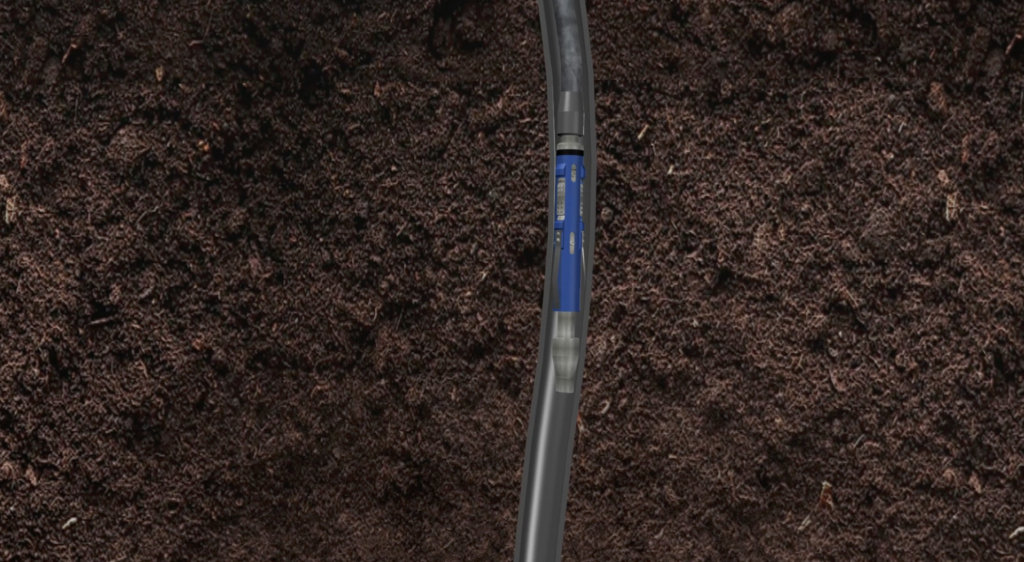
When tubing anchors are run through those twists and turns, they can begin to rotate. If that rotation happens to go to the left (or the right if the anchor is right-hand set), the anchor can set before it reaches the correct depth. Depending on the speed the TAC is traveling, the carbide buttons on the anchor’s slips may break or the shear pins may shear, making it impossible to reset the anchor. And if it doesn’t shear, those carbide buttons may scrape the casing, causing unnecessary wear and tear.
Why Doesn’t It Just Shear Every Time?
Conventional wisdom suggests that if a TAC sets prematurely while running in or pulling out, the anchor will just shear. While a replacement anchor would be required, the cost of a new TAC is nominal. And presumably damage to the well itself would be minimal or nonexistent. Unfortunately, that is not always the case.
The emergency release mechanism on a tubing anchor catcher is designed for a slow, controlled overpull. It’s not engineered for the high-impact dynamic loading that can occur if the slips engage unintentionally while running in or pulling out. In those cases, a high-speed stress wave can propagate through the tubing string at ~16,000 ft/s. The resulting transient loads may exceed the static overpull required to shear the pins. When these elevated loads concentrate at connections, collars, or sections weakened by corrosion or fatigue, they can result in parted tubing and create significant operational risk.
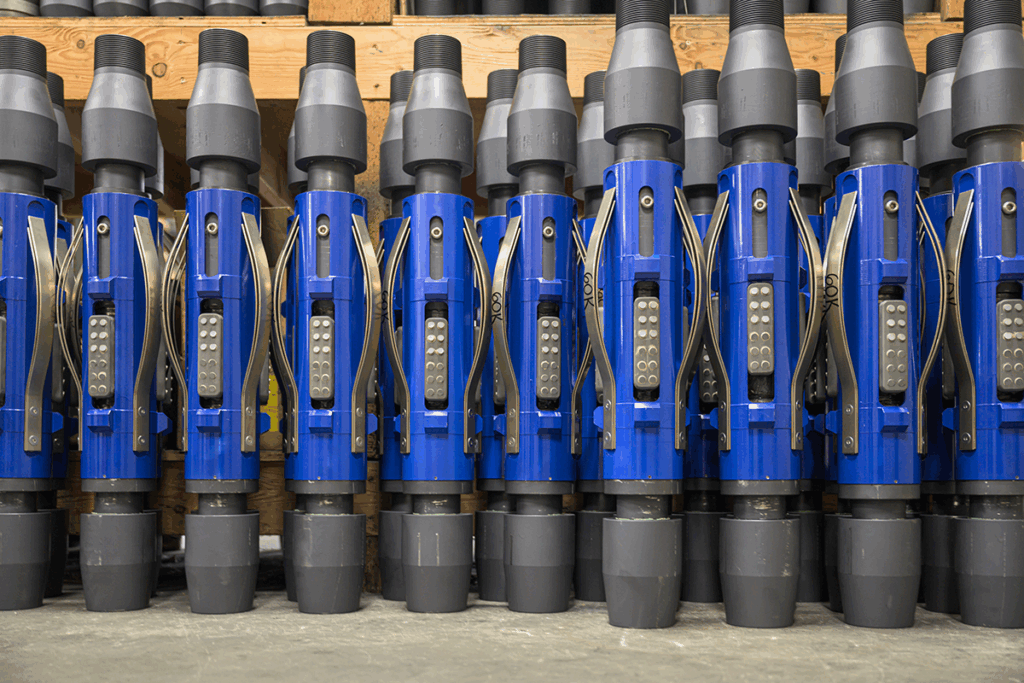
Even if the tubing doesn’t part, the sudden impact of a prematurely set anchor can also cause damage to the well casing. The carbide buttons can gouge and scrape the softer casing steel. A helpful analogy is to think about Command Strips used for hanging pictures. When removing a Command Strip from the wall, a slow, steady pull on the tab will remove the Strip cleanly. Ripping it off the wall will often remove the paint and/or sheet rock paper, leaving an unsightly gash.
A Simple Fix
To avoid these scenarios, rig crews should periodically add a right-hand turn to the tubing as the anchor is being run in or out (or a left-hand turn if the TAC is right-hand set). Doing so ensures that the anchor remains completely unset. If the tool begins to rotate because of the well’s shape, this turn sets it back to the start position.
How often this right-hand turn is added depends on the specific well and TAC. The general guidance is to add it every 5 to 10 stands. However, if the well has significant deviations, or if the crew is running in a quick-setting anchor – which can be fully set in just 1-to-3 turns as opposed to the traditional 6 to 8 – then a more frequent schedule may be warranted.
A Pipe Wrench? Really?
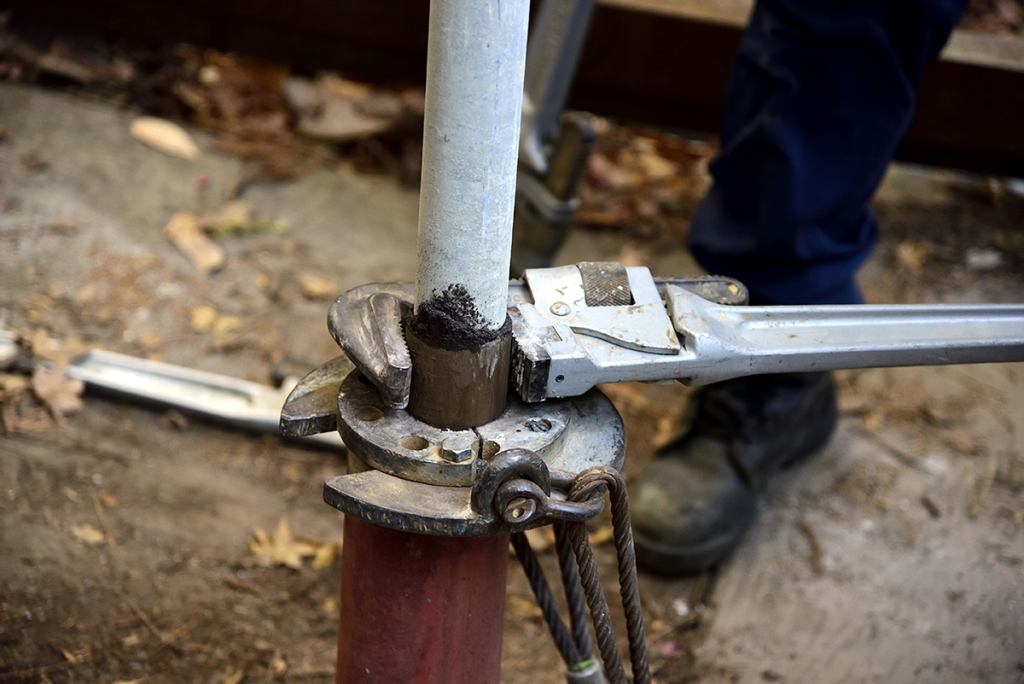
Yes, really. When applying the right-hand turn to tubing, it’s strongly recommended to use a pipe wrench. Why? Because with a pipe wrench, the crew member adding the turn can generally feel when the TAC is rotated back to the starting position. Power tongs are less precise. Using them can cause the TAC to over-release, which can damage and bind up the anchor, effectively preventing it from functioning at all.
Conclusion
When a TAC is prematurely set while running in or out of a well, serious damage can occur. At the very least, the anchor may shear. In more extreme situations, the resulting tensile force could part the tubing. These issues can be avoided by adding a right-hand turn to the tubing (or a left-hand turn if the TAC is right-hand set) every 5 to 10 stands while the anchor is being run in or out. Using a pipe wrench to execute the turn adds precision and avoids the risk of over-releasing the anchor.
For more information about proper TAC setting and releasing procedures, visit the TechTAC product documentation library.


