
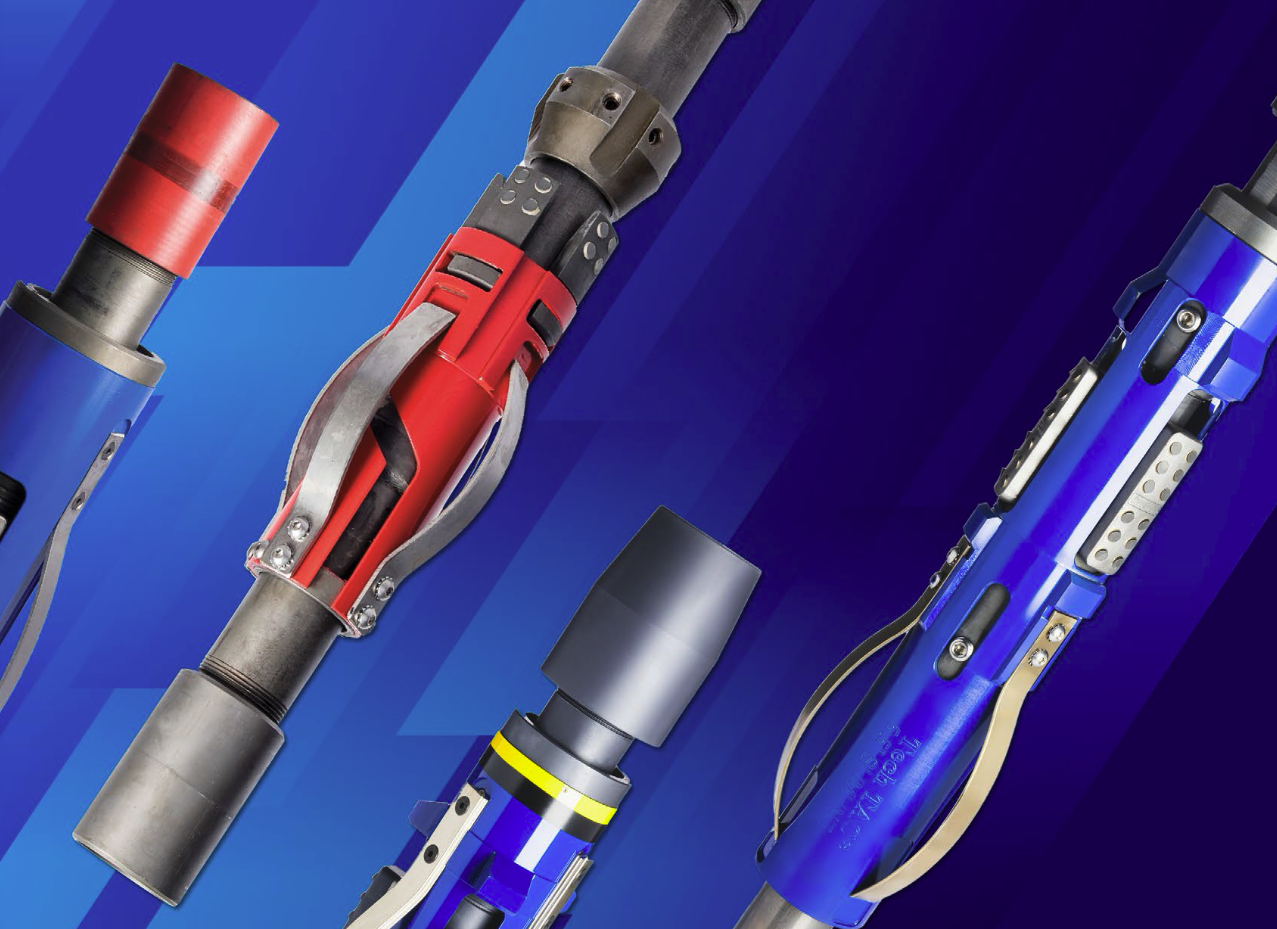
In artificial lift operations, completion engineers and field operators are responsible for optimizing well efficiency while minimizing downtime. For wells with sucker rod pumps, stabilizing the production string is critical to this pursuit. Among many benefits, stability can prevent premature wear on rods, tubing, and casing. A central component in achieving this goal is the tubing anchor catcher (TAC). However, with downhole environments becoming increasingly complex, choosing the right TAC in 2026 can be challenging. It requires looking beyond decades-old, standard designs to maximize production and prevent costly fishing interventions.
According to industry research from the Society of Petroleum Engineers (SPE) and technical studies presented at the Southwestern Petroleum Short Course, unanchored or improperly anchored tubing strings suffer from cyclical tension and compression loads, fluid pressure fluctuations, and mechanical vibrations. This movement short-circuits pump strokes, drastically lowering volumetric efficiency. Traditional B2-style TACs have long served as the baseline to mitigate these forces. However, modern completion demands require a more strategic approach to choosing the right TAC.
1. Evaluate Flow-By Area to Mitigate Gas Locking and Scale
A major downhole challenge highlighted by research from Echmeter is the “choke point” effect created by traditional anchors. In standard B2 designs, the gap between the anchor outer diameter (OD) and the casing inner diameter (ID) is very small. Such a tiny annular area severely restricts fluid and gas flow. This restriction creates an abrupt pressure drop, increasing fluid turbulence and vorticity. In turn, the formation of scale, iron sulfide, and paraffin accelerates, and formation gas can be trapped below the tool, leading to gas locking.

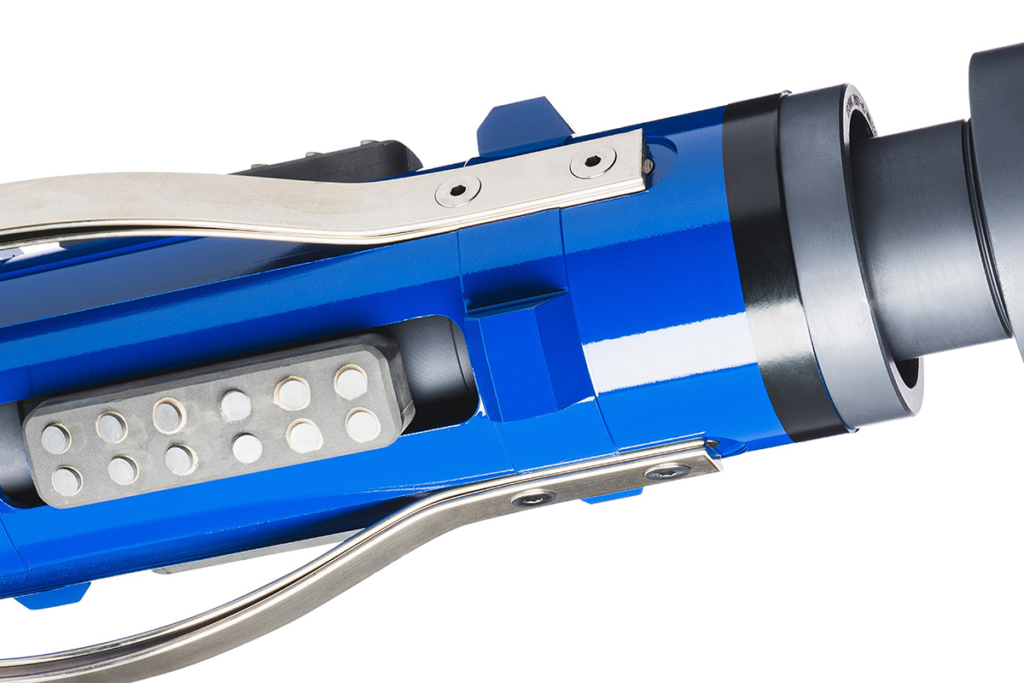
When choosing a tubing anchor for high-GOR or scale-prone wells, prioritizing advanced flow-by geometry is essential. For instance, the TechTAC® Slimline® TAC utilizes a reduced OD design that delivers up to 245% more flow-by area than standard B2 models. This expanded flow path lowers pressure differentials. Formation gas is able to flow past the anchor, and the risk of solids bridging on top of the tool is greatly reduced. The result is less gas locking and fewer stuck anchors.
2. Match Well Geometry with the Right Setting Mechanism
Well trajectory plays an integral role in selecting anchoring equipment. For vertical well sections, mechanical TACs that utilize a series of left- or right-hand surface rotations to set the slip mechanisms are highly reliable. They allow operators to perform exact tubing stretch calculations and place the tool at a precise depth.
However, in highly deviated or horizontal wells, transmitting torque from the surface through the tubing string can be highly inefficient or even impossible. When choosing the right TAC for these complex trajectories, or when utilizing capillary tubing strings (where rotation can damage chemical injection lines), alternatives like hydraulic tension anchors or quarter-turn tension anchors may be necessary. These models require minimal-to-no surface rotation to set. However, they also tend to carry a high price tag and may require unfamiliar setting procedures. Another option for deep or deviated wells is the Slimline® QuickSet™ TAC. This patented anchor uses innovative mechanics to fully set in just 1-to-3 rotations. Most mechanical tubing anchors require 6-to-8 rotations at the tool to fully set.
3. Assess “Catcher” Functionality vs. Tension Anchors
Most downhole engineers understand there is a difference between tension anchors and true tubing anchor catchers. Both styles hold the tubing in tension during normal pump cycles. However, a tension anchor only resists upward pressure. If the tubing parts due to corrosion or mechanical failure, a tension anchor can slip, letting the string fall.
A true TAC features bidirectional slip engagement. It locks the tubing to the casing against both upward and downward forces. In 2026, where mature fields may experience higher corrosion risks, ensuring your tool includes a robust catching mechanism can prevent expensive fishing operations and preserve wellbore integrity.
Conclusion: Choosing the Right TAC
Choosing the right TAC in 2026 requires consideration of your well’s production chemistry, gas volume, and directional profile. Moving from a legacy B2 design to innovative solutions like the Slimline® TAC or the Slimline® Full Bore TAC can increase production by up to 20% or more and reduce gas locking by up to 80%. By matching advanced tool geometry with your specific downhole conditions, you can protect your capital investment, lower workover costs, and maximize lifting efficiency.


