

In wells with harsh downhole conditions, such as high reservoir pressures and temperatures, aggressive fluid chemistries, severe deviation, or remote locations where every intervention is enormously costly, the selection of downhole tools can have a significant impact on both production and total operating cost. Among the most vital of these tools is the tubing anchor catcher. And the TechTAC® Slimline® Tubing Anchor Catcher stands out as one of the best options for these tough wells. Here’s why:
Why Harsh Downhole Conditions Impose Extra Demands
First, let’s understand what makes a well “harsh”:
- Extreme Temperatures: High reservoir temperatures can accelerate scale and/or corrosion.
- High Pressures & Gas Loading: High formation pressure/temperature can lead to higher gas-to-oil ratios and sometimes large gas volumes. Gas locking (gas accumulating in the pump) becomes a real risk in these situations.
- Aggressive Fluids / Solids: Formation water that is rich in salts; acid gases; heavy crude; solids like sand and silt; and particulates such as paraffin, scale, or iron sulfide can create numerous challenges for operators. These substances can clog or corrode downhole tools.
- Geometry Challenges / Remote Access: Horizontal or highly deviated wells, corkscrewed boreholes, long reach wells, and remote wells located in rugged terrain can create costly workovers and production operations expense.
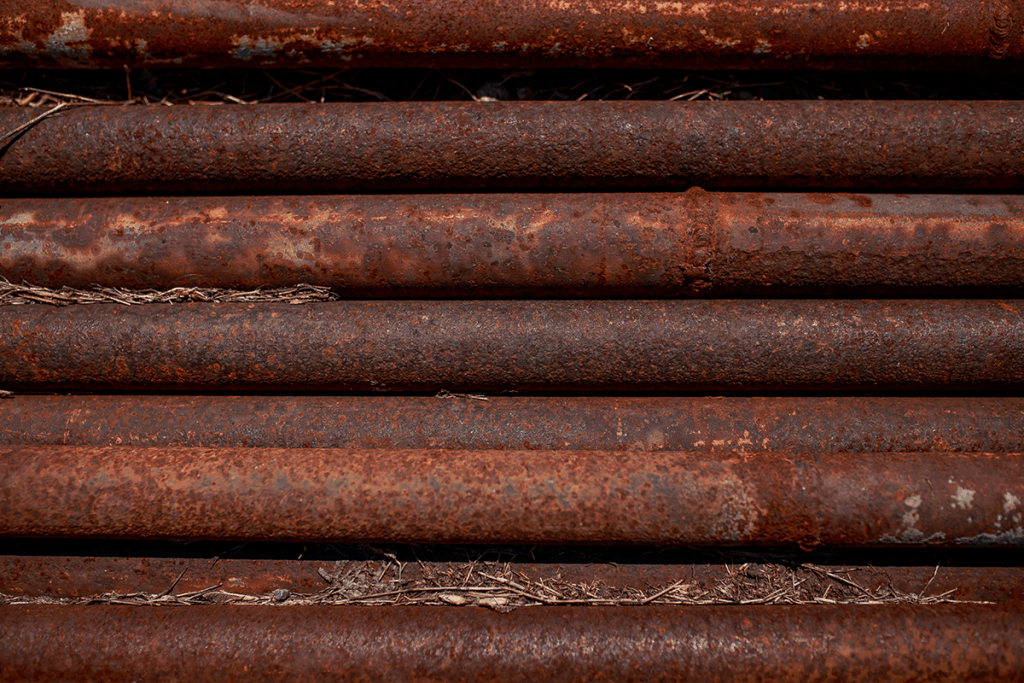
Any tubing anchors facing harsh downhole conditions must therefore be resilient and reliable. They must also minimize risks like stuck tools, frequent interventions, and production losses. The correct selection of a tubing anchor can minimize expense and maximize revenue.
What Makes the Slimline TAC ‘Best’ Under Those Stresses
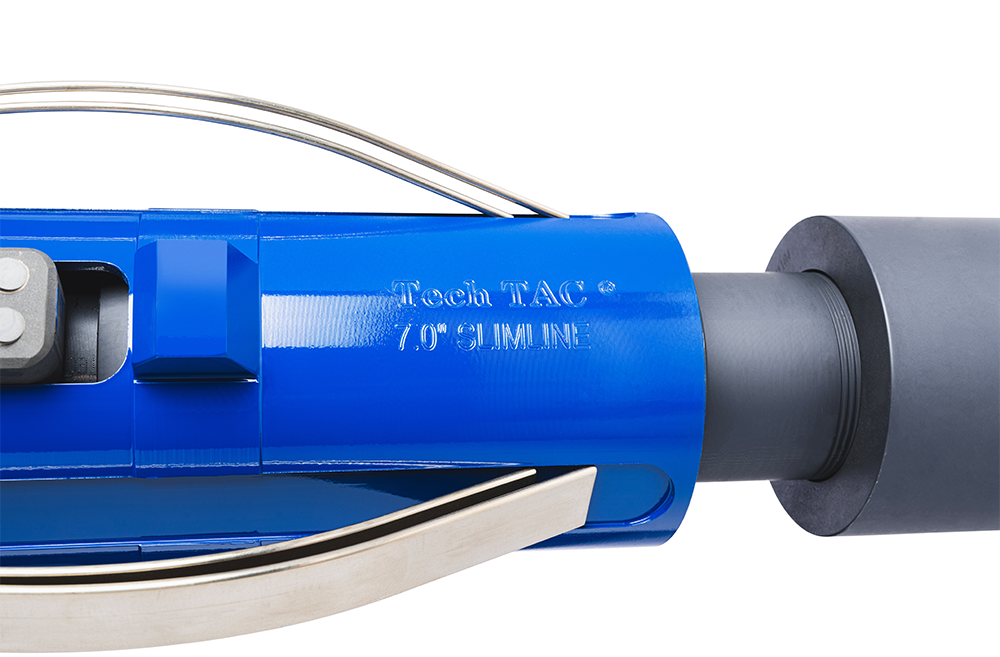
Here are the key features and advantages of the Slimline design—and how it addresses the pains above better than many traditional or standard anchoring options.
| Feature | Benefit in Harsh Conditions |
| Reduced Overall Diameter | Because the Slimline anchor is smaller relative to the casing, there is much more annular flow-by area—up to 245% more over standard B2-style TACs. This gives fluids and gas a freer path past the anchor instead of being forced through narrow gaps—which in high pressure, high gas wells is critical to avoid gas locking and high pressure drops. |
| Tapered Flow Deflectors | The tapered subs on the Slimline TAC help reduce turbulence and guide solids (e.g.: sand, scale, and paraffin) past the anchor rather than letting them accumulate on top. Less turbulence means fewer places where scale or solids settle, and less energy wasted in chaotic flow. |
| Reduced Pressure Drop / Turbulence | Independent CFD research shows that with the Slimline TAC design, the pressure drop around the anchor as fluid and gas flow through the annulus of a well is significantly lower than the corresponding pressure drop around a standard B2 anchor. Less pressure drop means a more laminar flow, less scale buildup, better pump fillage, and less risk of gas locking. |
| Less Risk of Stuck Anchors | In many wells, the buildup of solids or scale on top of the anchor can lead to sediment bridging, causing the anchor to become stuck and leading to a costly workover or fishing job. The increased flow-by area and smooth design of the Slimline TAC help solids fall past the anchor. Some operators have reported a dramatic reduction in clean-outs and stuck anchor incidents using Slimline anchors. |
| Quick-Setting Option | With deep or highly deviated wells, it can be extremely difficult to get the required 6-8 turns down to the tool to set a traditional mechanical anchor. In contrast, the Slimline® QuickSet™ TAC requires only 1-3 turns to set. Requiring fewer rotations makes the patented Slimline QuickSet anchor a viable option for geometrically difficult wells. |
Additional Factors to Consider
In addition to the benefits noted above, production companies operating wells with harsh downhole conditions should also consider:
- Material selection: Extremely corrosive produced fluids (e.g.: H₂S, CO₂, high salinity, etc.) still place demands on metallurgy, coatings, and maintenance. In such wells, TACs must be built from materials that resist these conditions, which is one of the reasons TechTAC offers corrosion-resistant nickel coating as an option for its products.
- Setting reliability: Particularly with the Slimline QuickSet TAC, the setting and releasing design ensures the anchor slips engage properly and not prematurely, so setting and releasing instructions should be carefully followed, especially under high temperatures or under dynamic loads.
- Total cost of ownership: While the Slimline TAC may carry an incremental upfront cost compared to a standard B2 anchor, in most wells, especially wells with harsh downhole conditions, the lifecycle savings often far outweigh the initial cost. To help calculate your overall return based on your unique well conditions, visit the TechTAC ROI Calculator.
Conclusion
In wells that push equipment to its limits—be it via heat, pressure, a remote location, or nasty fluid/solid content—the TechTAC Slimline Tubing Anchor Catcher offers a combination of features that are very hard to beat:
- Its vastly superior flow-by area helps mitigate pressure drop and gas locking;
- the tapered design and reduced OD help avoid scale and solids problems;
- and the Slimline QuickSet TAC is a viable option in difficult geometries and under low-torque conditions.
For operators looking to maximize uptime, reduce unplanned interventions, and boost production in wells with harsh downhole conditions, the Slimline TAC is often the smart tubing anchor catcher choice.
To learn more, contact the team at TechTAC or visit the Slimline TAC product page.


